





In a country that boasts 10 National Parks, 12 Wildlife reserves, 5 Community Wildlife Management Areas and 13 Wildlife Sanctuaries, standing out, irrespective of each park’s unique attributes, can seem nearly impossible.
The beauty of a Ugandan safari or destination gateway, however, is based off of more elements than just the typical travel expectations. Kidepo Valley National Park has that spark that carries on in the fondest memories of those who take the daring journey to Uganda’s North Eastern tip.
Kidepo Valley National Park is Uganda’s wildest park and one of the least explored protected areas, bordered by South Sudan and Kenya. It sits on a vast 1,442 square kilometre expanse.
The park’s name was derived from a Karamajong word ‘akidep’ meaning ‘to pick,’ referring to people who would travel to collect the borassus palm fruit along the Kidepo river. It is hailed as Uganda’s ‘most magnificent park’ accompanied by the dotting tagline; ‘The True African wilderness’, thanks to its remoteness, raw and untouched beauty.
Kidepo’s magic extends beyond its animal kingdom. This land is steeped in a rich human history, home to the iconic semi-nomadic Karamojong pastoralists and the resilient Ik people of Mount Morungole. Their ancient cultures and deep connection to this challenging environment add a profound dimension to the visitor’s journey, transforming a simple safari into a meaningful cultural exchange.
Wildlife
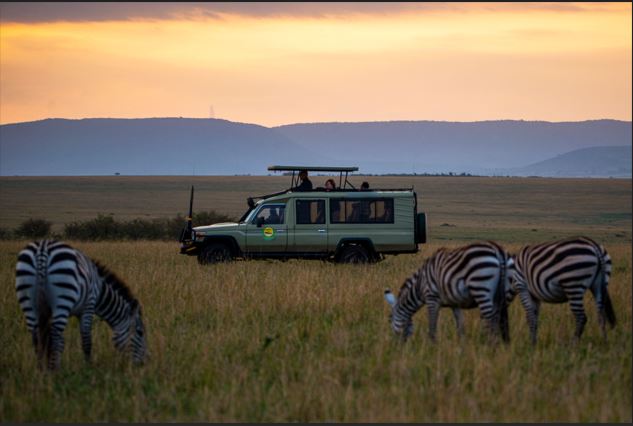
Kidepo Valley National Park offers an exceptional wildlife experience; unlike busier places, it provides a feeling of having the African plains to yourself. Here, wildlife roams with an intense sense of freedom. The park hosts over 80 mammal species, many of which are unique to this part of Uganda.
It is one of the only places one can spot the critically endangered Cheetah. These speedsters can be seen on mountain drops, especially during the dry season, specifically during early mornings and late afternoons when the temperatures are cooler.
Four of Africa’s big five are also spotted in the park; lions on rocks, elephants in wide plains, elusive leopards in the secluded savannah, and massive buffalo herds are a common sight, offering an unforgettable safari experience.
Bird watchers Paradise

Kidepo Valley National Park has Uganda’s second-highest bird count with over 470 recorded species. The park is famous for its 56 species of birds of prey, it’s an
Important bird area for Somali-Masai and Sudan-Guinea biome specific birds such as secretary birds(the massive snake-hunting specialists), pygmy falcons, Jackson’s hornbill, Karamoja Apalis, among others.
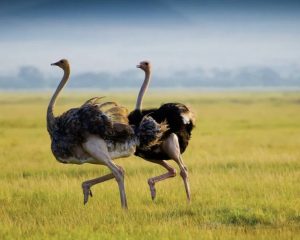
It’s one of the only two homes of Uganda’s wild ostriches.
Cultural experiences
The Karamojong people are a Nilotic pastoralist people culturally related to Kenya’s Masai and South Sudan’s Taposa. For them, cattle are the foundation of life, identity, and social status, not just mere livestock. Karamajong cultural visits offer guided tours through Manyattas(traditional homesteads) comprising cattle kraals and family huts, traditional dances, men adorned with ostrich feather headdresses and carrying shields perform Elima (the jumping dance) displaying strength as women sing beautiful harmonies of their traditional songs, their beaded necklaces and earrings creating a symphony of color and sound.
A Karamajong cultural immersion ensures that a trip to Kidepo Valley is not just about observing Africa’s majestic wildlife but about understanding the human spirit that has thrived alongside it for generations.
A visit to the Ik people, also known as the mountain people, located on the mountain slopes of Mt Morungole, provides an essential cultural dimension, turning a standard wildlife safari into an immersive cultural exploration. The Ik, whose name signifies ‘head of migration’, are considered the original inhabitants of this rugged border region between Kenya, Uganda, and South Sudan. They are one of Uganda’s smallest and most unique tribes.
With interactions with the Ik people, visitors will have opportunities to share in vibrant traditional dances, taste their unique cuisines, and learn about distinctive Ik customs such as the payment of bride price. Visiting the Ik and Karamojong people is an all-year-round activity.


Narus Valley
The Narus valley is a living oasis tale in the middle of the Kidepo plains and Mount Mulongole ridges. Home to the Narus River and Narus Dam, this is the heartbeat of Kidepo National Park.
The name “Narus” is derived from the Karamojong word, ‘arus’ which means muddy.
The river and dam there in serve as permanent water sources for the wildlife, a deadly rendezvous point for both grazers and predators. It is a magnet for wildlife especially during the dry season, making it a prime wildlife viewing area.
Guided nature walks and hiking among other activities also make the Narus Valley a must-visit section in Kidepo.
Kanangorok Hot Spring


In the semi-arid Karamoja, wonders never cease to happen. Among these is Kanangorok Hot Springs, the only hot spring in the Karamoja region. It is located in the northern part of Kidepo Valley National Park near the South Sudan border.
Like many other geothermal features across the country, Kanangorok is a highly sacred site to communities in Karamoja. Local beliefs are what make these sites even more attractive – especially the healing powers in their mineral-rich hot waters. Many flock the site to seek healing against ring worms.
Some communities also perform rituals at the hot spring supposedly to sermon rainfall.
Best time to visit
When visiting Kidepo Valley National Park, for wildlife, aim for the dry seasons (December-March or June-September) because the landscape is drier and trails are more accessible, excellent for viewing animals as they gather water at the Narus valley. For bird watchers, aim for the wet season (April-May or October-November) as migratory birds are present.
Accommodation types range from high-end, mid-range, and budget lodges. The camping option is also available. For a full-service and pampering experience with amenities like a pool and fine dining, the luxury and some mid-range lodges are ideal.
For a back-to-basics and adventurous experience where you might prepare some meals by yourself, the budget bandas or campsites are a great choice.
How to get there
There are two main options for getting to Kidepo Valley National Park: a scenic but challenging road trip or a quick direct flight, so your choice of travel depends on your budget, available time, and appetite for an overland journey.
Travelling by road is much more affordable as it gives rewarding up-country views and allows stopovers at major attractions depending on your route. It’s ideal for adventure seekers.
Taking a flight is the fastest and most comfortable way to reach Kidepo Valley National Park. Charter flights that take about two hours can be arranged.
Visiting Kidepo is a conscious choice to embrace adventure. Reaching this remote frontier requires effort, whether by a long but scenic road trip or a chartered flight. Once there, you trade crowds for private game drives, predictable itineraries for the thrill of the unexpected, and standard hotel stays for accommodations that range from luxurious lodges to basic bandas. Kidepo’s soul is equally defined by its people. The proud, pastoralist Karamojong on the plains and the resilient Ik people on the Morungole slopes, transforming a wildlife safari into a holistic journey into cultural heritage.
To visit Kidepo is to witness Africa at its most authentic and to contribute to the preservation of one of the continent’s last true wildernesses.


