






Uganda, affectionately known as the “Pearl of Africa,” is a hiker’s paradise that offers much beyond the famous wildlife safaris. With landscapes ranging from snow-capped peaks and volcanic craters to dense rainforests and serene lakes, Uganda invites adventurers to explore its beauty on foot.
This guide will help you plan a rewarding and safe hiking adventure through its diverse and breathtaking landscapes.
Why Hike in Uganda?
Hiking in Uganda is a multi-faceted experience. The country’s equatorial climate allows for year-round hiking, with conditions that are vibrant in the rainy seasons and clear and accessible in the dry months.
Beyond the physical challenge, treks here are journeys through rich ecosystems and ancient cultures. You’ll find that hiking connects you not only to stunning natural wonders but also to the warm hospitality of local communities, offering a deeper understanding of the country’s heritage.
Prime Hiking Destinations and Trails
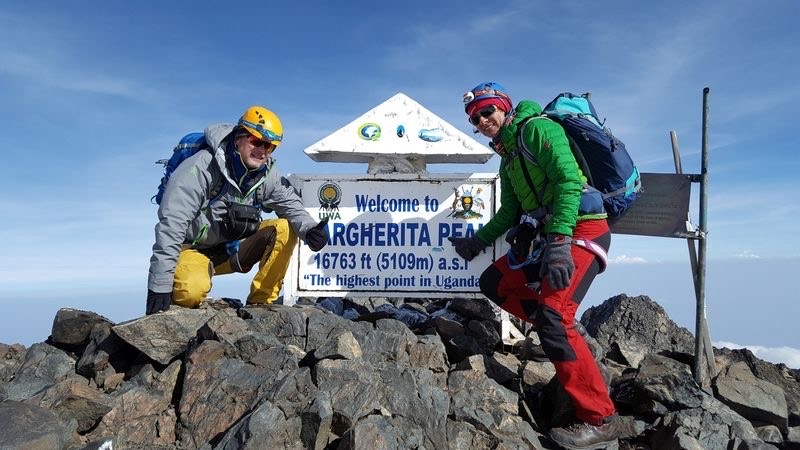
Rwenzori Mountains (The “Mountains of the Moon”): Home to Margherita Peak (5,109m), Uganda’s highest point, this UNESCO World Heritage Site offers a challenging climb through montane forest, bamboo zones, and glaciers. For a less intense experience, trails like the Mahoma Trail provide a stunning 3-day introduction to the alpine zones.
Mount Elgon: An ancient, extinct volcano with the world’s largest caldera. The popular Sasa Trail is a 4-5 day round trip to the summit (Wagagai, 4,321m), passing through forests, bamboo zones, and past waterfalls.
Virunga Volcanoes in Mt Mgahinga National Park: This chain of extinct volcanoes offers dramatic day hikes.
Mount Sabyinyo: A thrilling ridge hike involving ladders, culminating at a peak where Uganda, Rwanda, and the DRC meet.
Mount Gahinga: A gentler climb through bamboo forests, which is perfect for spotting golden monkeys.

Forest Walks and Nature Trails
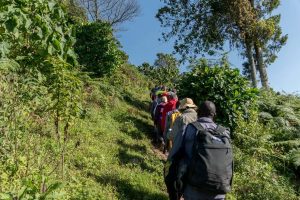
Bwindi Impenetrable National Park: Famous for gorilla trekking, Bwindi also has excellent hiking trails like the Buhoma-Nkuringo Trail (4-6 hours) and the Waterfall Trail (3-4 hours) through dense rainforest.
Kibale Forest National Park: Best known for chimpanzee tracking, the park’s trails also offer opportunities to see many other primates and birds on guided walks of 2-4 hours.
Sipi Falls: Located on the slopes of Mount Elgon, this area offers scenic half-day or full-day hikes to a series of three stunning waterfalls, with views over valleys and coffee plantations.
Fort Portal Crater Lakes: The landscape around Fort Portal is dotted with dozens of beautiful crater lakes. Guided walks (1-2 days) lead to scenic spots like Lake Nyinambuga and Lake Nkuruba.

When to Go
Primary Dry Seasons (Ideal for Hiking)
June to August: This is a peak season. Trails are drier, making for easier hiking, especially in rainforests. It’s the best time for gorilla trekking. You must book permits and accommodations well in advance.
December to February: Another excellent window with warm, dry weather. This is a great time for hiking and game viewing.
Wet Seasons (Consider with caution)
March to May & September to November: These periods see more rainfall, which can make trails muddy and slippery. However, the landscapes are incredibly lush, tourist numbers are lower, and you may find discounted rates on lodges. With good waterproof gear and flexibility, rewarding trips are still possible.
Essential Planning and Safety Tips
Use a Reputable Guide or Operator: For mountain treks, gorilla trekking, and most national park hikes, a licensed guide is often mandatory. They ensure your safety, provide valuable knowledge, and enhance your experience. Always book through licensed operators.
Secure Permits in Advance: Gorilla trekking permits and chimpanzee tracking permits are required and limited in number. They should be secured months in advance, especially for the dry seasons. Your tour operator will typically handle this.
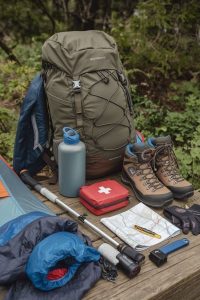
Pack the Right Gear: Essential items include broken-in, ankle-supporting hiking boots, waterproof clothing (even in dry season), gaiters for mud, insect repellent, a reusable water bottle with purification tablets, and high-SPF sunscreen.
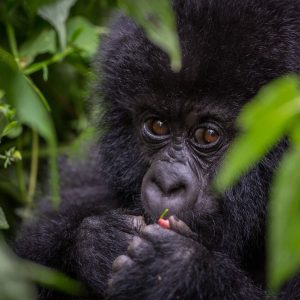
Respect Wildlife and Guidelines: Always follow your guide’s instructions. During gorilla encounters, maintain a distance of at least 7 meters, do not eat or drink near them, and never attempt to touch the animals. If you are ill, you will not be allowed to trek to protect the gorillas from human diseases.
Health Preparations: Consult a travel clinic well before your trip. Vaccinations (like Yellow Fever) are required for entry. Uganda is a malaria zone, so prophylactics and repellents are essential. Stick to purified water.
Hire a Porter: For gorilla treks and mountain climbs, consider hiring a local porter. They provide invaluable assistance on tricky terrain, and your fee directly supports the local community and conservation efforts by providing alternative livelihoods.
Be Culturally Conscious: Ugandans are generally warm and hospitable. Dress modestly, especially in rural areas. Asking for permission before taking photos of people is a sign of respect. Public displays of affection are frowned upon. Learning a few words of the local language, like “Webale” (Thank you), is appreciated.

What to Expect
Gorilla Trekking
This is a physically demanding activity. Treks can last from 1 to 8 hours over steep, muddy terrain. However, the reward is one golden hour observing a gorilla family in their natural habitat, described as a once-in-a-lifetime experience.
Safety
Uganda is generally safe for tourists, and the government prioritizes security in national parks. Petty theft can occur in cities, so safeguard your valuables. Stay informed on current travel advisories and avoid political gatherings.
Travel and Roads
Road conditions in rural areas can be challenging, especially during rains. Factor in significant travel time between destinations. For long transfers, consider domestic flights to airstrips near major parks.
Hiking in Uganda is an adventure that engages all the senses. With the right preparation and respect for the environment and culture, your journey on foot through the Pearl of Africa will leave you with memories that last a lifetime.


