






An African safari represents a pinnacle of travel aspirations. The chasm between an extraordinary adventure and a disappointing trip often hinges on one critical decision: your choice of tour operator.
When planning an African safari, selecting a reputable tour operator is paramount to ensuring a memorable and hassle-free experience.
This guide expands upon the essential checklist, providing deeper context and strategic insight to empower you to select a partner as exceptional as the journey itself.
Physical Presence and Legal Compliance
While verifying a physical address via mapping tools like Google Maps is crucial, go further to find out the physical office location.
A credible operator will often showcase their office team, vehicles, and local guides on their site and social media. Don’t hesitate to request a brief video call or ask specific questions about their neighborhood.
An operator deeply embedded in the local tourism ecosystem will have established relationships with lodge owners and park authorities, ensuring smoother logistics and access to better opportunities.
In countries like Kenya, ensure registration with the Kenya Association of Tour Operators (KATO) and a valid license from the Tourism Regulatory Authority (TRA). In Uganda, verify membership with the Association of Uganda Tour Operators (AUTO) and licensing from the Uganda Tourism Board (UTB), which requires rigorous financial and operational audits for membership.
These affiliations are not mere formalities; they often include bonds or funds to protect client money. Cross-reference the operator’s details on the official regulator’s website.
Website Evaluation
A reliable website is informative, not just promotional. Look for detailed itineraries with clear explanations of what is and isn’t included. Scrutinize the imagery to ensure it contains original content. Authentic stuff suggests hands-on experience. Use tools like Google Reverse Image Search to check for stolen photos.
Customer reviews are also crucial; consistent praise for a specific guide for handling a logistical hiccup speaks volumes. Similarly, repeated complaints about misleading accommodation are major warnings.
One should also be wary of reviews that are overly generic, lack detail, or use unnatural language. Genuine reviews often mention specific animals seen, guide names, or particular lodge experiences. Check if the company responds to both positive and negative reviews professionally and constructively.
Active and engaging social media is a positive sign of a thriving business. Look for consistent posting, real-time updates from the field, responsive communication in comments, and genuine client interactions. An inactive page for six months is a red flag. Platforms like Instagram and Facebook also serve as unfiltered review spaces; read the comments on posts for unsolicited feedback.
Platforms like TripAdvisor, Booking.com, and Trustpilot are invaluable, but require a critical eye.


Payment methods
Never pay the full sum upfront for a safari booked far in advance. A standard practice is a deposit (30-50%) to secure bookings, with the balance due 30-90 days before travel.
Insist on paying via secure payment methods that provide a financial audit trail and potential for recourse, such as bank transfers (to a verified local bank account), credit cards, or secure platforms like PayPal. Be deeply suspicious of operators who only accept wire transfers to unverified accounts or pressure you for cash payments.
A professional operator will have clear, accessible Terms and Conditions covering payment schedules, cancellation policies, refund procedures, and liability clauses. Understand your financial position if you need to cancel or if the operator does.
Since your safari requires sharing sensitive personal data, a trustworthy operator’s website must have a clear, detailed Privacy Policy compliant with regulations like the GDPR. It should explicitly state what data is collected (passport details, medical info, payment data), how it is stored securely, how long it is retained, and that it will not be sold to third parties. You have the right to ask how your information is protected.
Direct Communication and Personalised Service
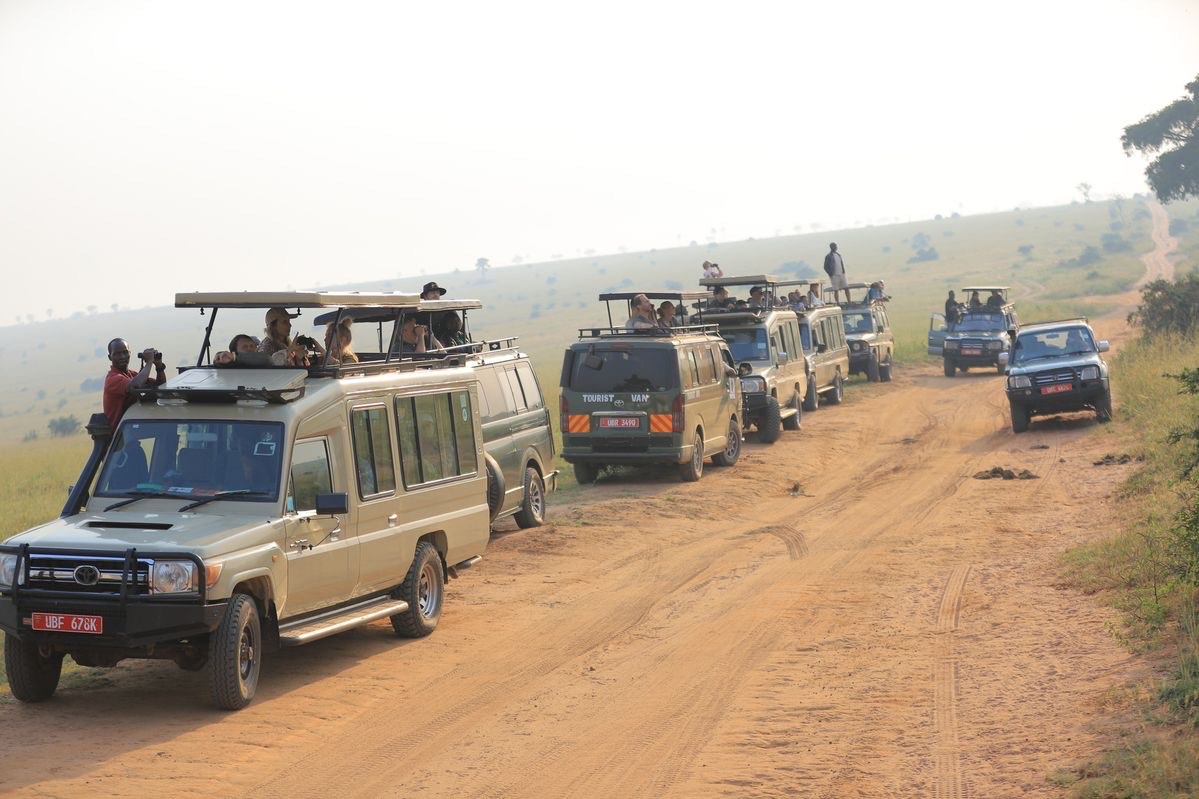
Ask your guide engaging questions, for example, “How do you approach game drives in Queen Elizabeth National Park to minimise vehicle crowding?” A knowledgeable specialist will provide insightful, detailed answers that demonstrate a passion for the destination, not just a rehearsed sales pitch.
For a high-value trip, it is perfectly reasonable to ask for contact details of 2-3 past clients, ideally from your home country or with similar travel interests. Most satisfied safari-goers are happy to share their experiences.
Consider engaging a safari travel consultant based in your home country. These professionals act as your advocate, leveraging their extensive network and firsthand knowledge of African operators to match you with the best fit for your budget and interests. They perform due diligence on your behalf and can provide an additional layer of financial protection.

Ethics, Stewardship and Sustainability
Ethical tourism should benefit local people. Look for operators who employ local guides and staff at fair wages, use community-owned partnerships, and have initiatives that support schools, clinics, or sustainable livelihoods.
Ensure the operator adheres to strict ethical guidelines; maintaining respectful distances from wildlife, never harassing animals, and avoiding interactions with captive wildlife. Their policies should reflect a “wildlife-first” approach.
Choosing an African safari operator is an exercise in valuing quality and trust over the allure of the lowest price. By following these guidelines, you become an informed partner in crafting a journey that is seamless and spectacular. This increases your chances of selecting a reliable tour operator for your African safari adventure. Remember, thorough research and due diligence are key to a successful and enjoyable trip.
Information Source: Tourify Technologies


