





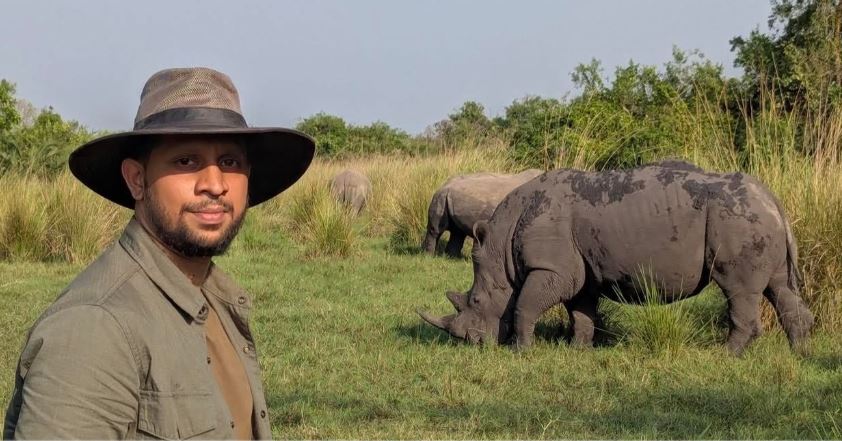
In Uganda’s Nakasongola District lies a beacon of hope for one of Africa’s most iconic yet critically endangered animals.
The Ziwa Rhino and Wildlife Ranch, commonly known as Ziwa Rhino Sanctuary, stands as a testament to what focused conservation can achieve. As the only place in Uganda where you can observe rhinos in the wild, this sanctuary has not only reversed a local extinction but has become a model of success for breeding programs across the continent.
From a heartbreaking national extinction in the 1980s to a thriving population today, Ziwa’s story is a powerful narrative of resilience, collaboration, and the enduring will to save a species.
From Tragic Extinction to Hopeful Rebirth
To understand the monumental achievement of Ziwa, one must first grasp the tragedy that preceded it. For millions of years, rhinos roamed Uganda’s landscapes, specifically in the Ajai Wildlife Reserve.
However, by the 1980s, decades of civil unrest, rampant poaching, and habitat loss culminated in a national catastrophe.
The tide began to turn in 2005. In a collaborative effort between the Uganda Wildlife Authority (UWA) and Rhino Fund Uganda, Ziwa Rhino Sanctuary was established on a 70-square-kilometer private ranch.
The mission was to reintroduce the southern white rhino and restore this keystone species. The project started with just six founder rhinos; four from Kenya and two from Disney’s Animal Kingdom in the United States.
From these humble beginnings, a conservation phoenix began to rise.

A Sanctuary of Life
Ziwa is a highly secure, scientifically managed breeding center with a singular long-term goal – to build a sustainable rhino population and reintroduce them into Uganda’s national parks and wildlife reserves.
This has been achieved in the Ajai Wildlife Reserve, as four of the southern white rhinos were translocated.
The sanctuary is encircled by a two-meter-high, solar-powered electric fence and protected around the clock by a dedicated team of rangers. This intensive security is vital, as the threat from poachers seeking rhino horn remains ever-present.
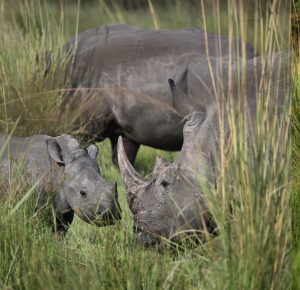
The primary measure of Ziwa’s triumph is its growing population. From the initial six, the herd flourished through successful breeding programs. As of 2025, the sanctuary was home to 48 rhinos, a number that continues to climb with new births. Each new calf is a victory for the species.
While the rhinos are the stars, Ziwa’s diverse habitats, encompassing savannah, woodlands, and swamps, support a rich tapestry of other wildlife. Visitors may spot antelopes, zebras, monkeys, including the prehistoric-looking and highly sought-after shoebill stork.

An Unforgettable Visitor Experience
A visit to Ziwa is both an adventure and a meaningful contribution to its mission. The sanctuary is strategically located about a three-hour drive north of Kampala, making it a perfect stop en route to Murchison Falls National Park or a rewarding day trip from the capital.
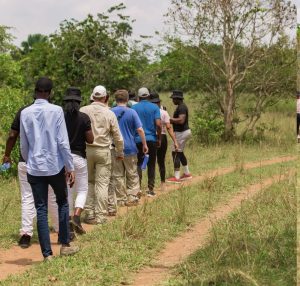
Rhino Tracking on Foot; This is the sanctuary’s signature experience. Led by expert rangers, guests trek through the bush to observe rhinos from an incredibly close yet safe distance of about six to seven meters. It’s a heart-pounding encounter that brings you face-to-face with conservation success.
Birding and Shoebill Treks; With over 300 recorded species, the sanctuary is a paradise for birders, alongside rhino trekking. The shoebill trek includes a tranquil canoe ride through the Lugogo swamp, offering a rare chance to see this elusive giant.
Nature and Night Walks; Explore the varied ecosystems on guided walks to spot the Rwothchild giraffes and plains zebras, which were introduced in late 2024, smaller mammals, reptiles, and butterflies. After dark, night walks reveal a different world of nocturnal activity, with chances to see aardvarks, porcupines, and other creatures under the stars.
Accommodation and Amenities; To fully immerse yourself, consider staying overnight. Ziwa offers a range of options, from secure campsites and guesthouses to luxurious chalets with modern comforts. The on-site restaurant and bar provide delicious meals and a place to relax
Practical Guide for Your Visit
Getting There: The sanctuary is located off the Kampala-Gulu Highway, approximately 176km from Kampala. Look for the turn at the Nakitoma Trading Centre.
Best Time to Visit: The dry seasons (June-August and December-February) offer the best conditions for wildlife viewing and trekking.
What to Bring & Wear: Closed-toe shoes or boots (essential for rhino tracking), long pants, sun protection, insect repellent, a hat, and plenty of drinking water.
Essential Guidelines:
- All visits require a guided tour; independent exploration is not permitted.
- Strictly follow your ranger’s instructions at all times for your safety and the animals’ welfare.
- Do not attempt to touch or feed the animals.
- Maintain quiet in the presence of wildlife and do not litter.
- The sanctuary primarily uses cashless payments (Visa, MasterCard, mobile money).
Your Role in the Story
Every visit to Ziwa directly fuels its life-saving work. Entry fees and activity costs fund the rangers’ salaries, veterinary care, and habitat management. For those who wish to contribute further, the sanctuary runs adoption and “Name a Rhino” programs, allowing you to support an individual animal and receive updates on its progress.
Ziwa Rhino Sanctuary is a living symbol of hope. A journey here is not just about seeing a magnificent animal; it’s about witnessing a conservation miracle and becoming a small part of its ongoing story.


