
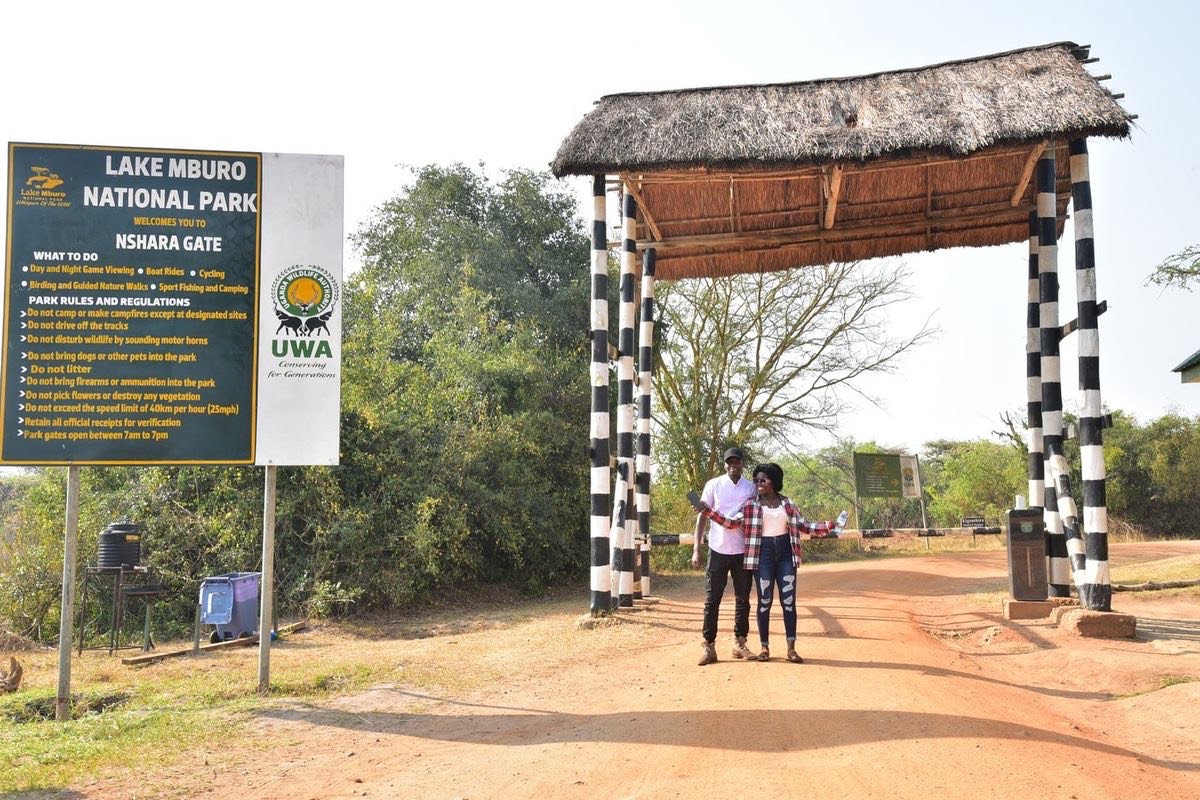
Nestled in the rolling hills of Nyabushozi county, Kiruhura district in Western Uganda, Lake Mburo National Park is Uganda’s smallest savannah park covering between 260 and 370 square kilometers.
Often described as a “compact gem,” it’s also the country’s most accessible and nearest park to Kampala and Entebbe International Airport.
Yet, Lake Mburo is more than a convenient stopover. It is a unique ecological tapestry comprising five interconnected lakes, sprawling wetlands, acacia woodlands, and rocky outcrops, which support wildlife found nowhere else in Uganda.
History of Lake Mburo National Park
The park’s identity is entirely linked to water. The centerpiece is Lake Mburo itself, from which the park derives its name. Nearly 20% of the park’s surface is covered by swamps and lakes. This aquatic heart creates a water-rich environment in a savanna region, supporting a stunning array of aquatic and terrestrial life.
The history of the park, however, is marked by tension. The land, known as “Karo Kurungi” by the local Bahima pastoralists, was traditionally used for grazing their iconic, long-horned Ankole cattle. The area’s rich grazing pastures and salt licks were historically reserved for the herds of the Omugabe (King) of Nkore.
The area was first a controlled hunting zone in 1933, then a game reserve in 1963, before being gazetted as a national park in 1983. This upgrade involved the eviction of the Bahima, a move done with little consultation and no compensation, which fundamentally severed their deep cultural connection to the land.
Following the fall of the Obote government in 1985, former residents reoccupied the park, expelling staff, destroying infrastructure, and killing wildlife. When the park was re-established in 1986, nearly a third of its original land was lost. This conflict was not merely about resources but a profound clash over the cultural meaning of the landscape.
The Mammals of Lake Mburo
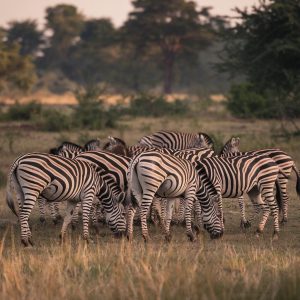
Despite the historical challenges, Lake Mburo is a conservation success story, hosting over 68 species of mammals. Its ecology is unique among Uganda’s parks, notably due to the absence of elephants. This allows acacia woodlands to flourish, creating a distinct habitat.
Lake Mburo’s iconic mammals include the Burchell’s Zebra, which are the dominant animals of the landscape. The park boasts Uganda’s largest zebra population, estimated at 5,000 individuals.
Topis, often mistaken as hartebeests can only be spotted in Lake Mburo National Park in Uganda.
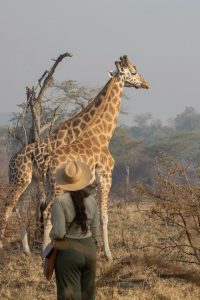
The Rothschild’s Giraffe, which was reintroduced to the park in 2015 to address ecological imbalances caused by the overgrowth of acacia species like Acacia hockii.
Impalas are a very common and iconic antelope in the park. It is the only place in Uganda to find significant impala populations, making them a key species for safaris in this park.
Elands, Africa’s largest antelope is frequently seen here, making it one of the best places in Uganda to find them.
Approximately 300 hippos inhabit the lakes, alongside sizable crocodile populations, especially on lake shores and shallows, and these are best viewed from a boat.
The park is also a stronghold for other antelope species like bushbucks, defassa waterbuck, oribi, and the secretive, swamp-dwelling sitatunga. While lions were extirpated in the 1980s, other predators like leopards, hyenas, jackals, and servals persist.
A Bird Haven
Lake Mburo is a premier birding destination with over 313 recorded bird species. Its mix of habitats supports a remarkable variety. The park is renowned for acacia-associated birds like the rare red-faced barbet, Ross’s Turaco.
The wetlands are home to specialists such as the elusive shoebill stork, the African finfoot, and so many more. The park also holds Uganda’s highest concentration of raptors, with 35 species including the forest-dwelling African harrier-hawk.
Activities
Guided Walking Safaris: A signature experience only offered in Lake Mburo amongst Uganda’s parks. Visitors walk through the bush with an armed ranger, tracking wildlife on foot, appreciating smaller details, photography, and getting close to animals like giraffe and zebra in a profoundly intimate way.
Boat Safaris: A two-hour cruise on Lake Mburo offers a completely different perspective. Gliding past basking hippos and crocodiles, and observing spectacular waterbirds along the shoreline.
Night Game Drives: After dark, a spotlight reveals nocturnal genets, bushbabies, porcupines, and the increased chance of spotting a leopard.
Horseback & Mountain Biking: These are unique to the region, and they allow a quiet exploration. Riding a horse or bike among herds of wildlife is an unforgettable way to experience the savanna.
Cultural Encounters
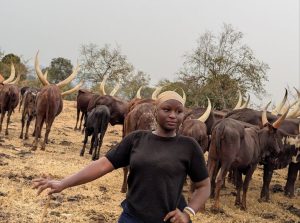
A visit to the Ankole Cow Conservation Area (ACCA), located inside the park, provides deep insight into the history of the Ankole kingdom. The initiative works with local communities to manage genetics, promote cultural activities such as milking, ghee-making process, and the pastoralist way of life that shaped this landscape.
Conservation Lessons
In recent decades, a more inclusive approach has emerged. This includes revenue-sharing, controlled access to resources during drought, and joint initiatives like Ankole cattle conservation. Notably, 20% of park entrance fees are reinvested into local community projects like schools and clinics. The park has become a partner in conserving the Ankole cattle breed itself, recognizing the cultural landscape shared by wildlife and pastoralists. Visitors today may witness the powerful symbol of Ankole cattle grazing on the park’s fringes alongside herds of zebra and impala.
Planning Your Visit
Best Time to Go: The dry seasons (December-February and June-August) are ideal, as animals congregate around water sources and roads are more passable.
Getting There: It’s a straightforward 3 to 5-hour drive from Kampala via the Mbarara highway. Chartered flights are also available to Mbarara airstrip, followed by a short road transfer.
Conclusively, Lake Mburo National Park is a place of breathtaking beauty and remarkable biodiversity. It is more than just a convenient safari stop, but a demonstration that the most sustainable conservation is that which honors the profound connections between people, their culture, and the land they have always called home.