
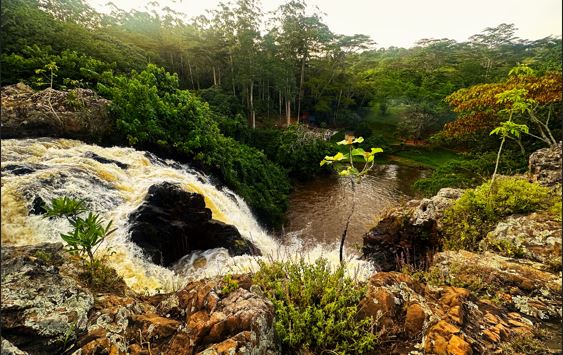
Located approximately 32-35 kilometers East of Kampala, near the town of Mukono along the Kampala-Jinja highway, Ssezibwa Falls is more than a scenic waterfall.
It is a living tapestry woven with threads of Buganda legend, ecological richness, and enduring cultural legacy.
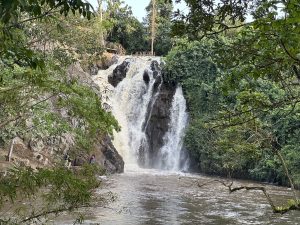
Ssezibwa River, born in the wetlands of Buikwe, crashes over a dramatic 60-foot-high, 30-foot-wide basalt cliff into a pool-filled gorge below. To millions of Baganda people, this is far more than a scenic natural attraction; it is a spiritual nexus.
The sound of the Ssezibwa River, a vital tributary of the Nile, is a constant, thunderous roar, surrounded by a sanctuary of biodiversity. The Ssezibwa Falls site encompasses a rich tropical forest, a protected cultural heritage site managed by the Buganda Kingdom.
The River Born of Legend
This intriguing tale tells of a woman, Nakangu Tebatesa of the Fox Clan (Ekibe), who miraculously gave birth not to a child, but to twins: a river and a stream. As the story goes, she was traveling between the villages of Nazigo and Nnono when she experienced labor pains.
From her, two entities emerged: the river Ssezibwa (derived from a Luganda phrase ‘ssizibirwa kubbo’ -meaning that which can’t be blocked hence unstoppable) and its sibling, the river Bwanda as mentioned in old literature. The river on ground, however, is named Mubeeya.
It is said that as they flowed forth, voices from the spirit world instructed the newborn rivers on their paths, urging Ssezibwa to flow bravely, overcoming any obstacles in its way, while Bwanda chose to flow unseen underground.
This mythic origin established Ssezibwa as a spiritual landscape and for generations, the Baganda have believed the river and its dramatic falls are inhabited by powerful spirits, most notably Mukasa, the god of plenty, fertility and good health.
Small shrines and offerings placed carefully among the giant rocks are seen in most parts of the site, bearing quiet witness to ongoing spiritual practices. Pilgrims and locals alike visit the site to seek blessings for business, health, safe journeys, or fertility.
This deep-seated belief makes the falls a natural cathedral and one of Uganda’s most significant cultural and spiritual sites.
A Pillar of Buganda Heritage
For the Buganda Kingdom, Ssezibwa is a cornerstone of intangible heritage. For centuries, it has served as a key spiritual site where people come to seek blessings, pray for fertility, good fortune, or success in business.
Traditional healers (herbalists) and cultural leaders perform rituals and make offerings at specific rocks and trees considered to be shrines.
Kings (Kabakas) of Buganda have historically visited Ssezibwa for spiritual consultation and to pay respects. Notably, King Ronald Mwenda Mutebi paid a visit to the place in 2002 to officially commission it as one of Buganda’s important tourism sites.
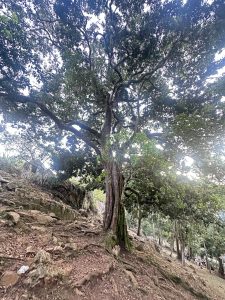
History recounts that the site was also visited by Kabaka Danieri Basammula-Ekkere Mwanga II in the late 1880s on his journey during the tumultuous period of internal and external conflicts in Buganda. He planted a wild olive tree (Olea Africana) on the site which has stood the test of time.
This enduring Mwanga tree, whose roots are enveloped in a collection of massive rocks is a natural monument.
The Birdlife of Ssezibwa
Complementing its cultural depth is Ssezibwa’s thriving ecological wealth. The riverine forest, moist cliffs, and rocky outcrops create a pristine habitat for an astonishing variety of birds, making it a rewarding and accessible destination for ornithologists and casual nature lovers alike.
The air is a chorus of calls and flashes of color. The most iconic sound is often the loud, guttural call of the magnificent Great Blue Turaco, a stunning bird of iridescent blue and green that flits through the high canopy.
Along the river, watch for the Giant kingfisher hovering expertly before plunging-diving, and the African pygmy kingfisher perched on low reeds. The haunting, fluty duet of the Black-and-white-casqued Hornbill echoes through the trees.
The site is home to over 50 bird species. This avian abundance adds another layer of sacredness; in many traditions, birds are considered messengers, and their concentrated presence here seems to affirm Ssezibwa as a place where the veil between worlds is thin.
Experiencing Ssezibwa Falls Today
For the Spiritual Seeker;
The sense of sacred tranquility is palpable. Visitors can witness (with permission and respect) traditional ceremonies or simply sit by the powerful falls for personal reflection. Many leave small offerings such as coins, local gin (enguli), tied to the ancient practice of seeking the spirits’ favor.
For the Adventure Enthusiast;
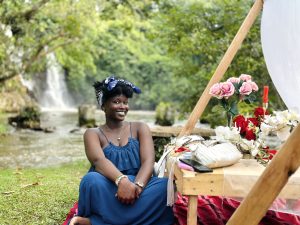
The site offers excellent hiking trails through the rainforest and Bamboo, leading to viewpoints that offer breathtaking panoramas of the falls and the surrounding gorge. Rock climbing on the formidable boulders is a rewarding challenge, and the picnic sites near the roaring water provide a uniquely exhilarating dining experience.
For the Culture and Nature Lover;
A guided tour is essential to fully appreciate the layers of Ssezibwa. Knowledgeable guides narrate the legends, point out medicinal plants, identify birds, and explain the cultural significance of various rock formations.
In a world where natural sites are often reduced to mere Instagram backdrops, Ssezibwa Falls stands as a powerful reminder of a deeper connection.
It is a place where nature commands awe through its presence. It is where a river, born from myth, continues to carve its indelible mark on the land and the people, inviting all who come to witness the majestic intersection of water, stone, and spirit.
Plan Your Visit
Location: Kyagwe, Mukono District, near Kayanja Trading centre, off the Kampala-Jinja Highway.
Access: A 45-minute to 1-hour drive from Kampala. The final approach is via a short, scenic rural road through sugarcane plantations.
Best For: Cultural enthusiasts, bird watchers, hikers, families, and anyone seeking a meaningful connection to Uganda’s heritage beyond the ordinary.